
Can Embroidery Be Removed Effectively Without Damaging Fabric
Removing embroidery is possible but depends on several factors, such as the fabric type and the thickness of the stitching. Embroidery can often be removed with care using specialised tools, but complete removal without damaging the fabric is not always guaranteed. Understanding the limits of embroidery London removal helps set realistic expectations.
The process requires patience and precision to avoid holes or snags in the fabric. Different techniques work for different projects, and the choice of method can significantly affect the end result. Stitch 99 recommends knowing which approach to take to maintain the garment’s integrity, especially when dealing with embroidery London projects.
Whether the embroidery is small or elaborate, careful removal can restore the fabric’s appearance. However, some materials or heavily stitched designs may leave faint traces. Stitch 99 suggests that knowing how to proceed can make a big difference in preserving your item’s look, particularly with embroidery London garments.
Key Takeaways
Embroidery removal is possible but fabric damage is a risk.
Using the right tools and techniques improves removal success.
Patience and care are essential to protect the fabric during removal.
Can Embroidery Be Removed?
Embroidery removal depends on various factors, including the type of stitching and fabric involved. The success of removal varies, and some risks may affect the garment’s condition. Stitch 99 has experience with embroidery London projects and understands these variables.
Types of Embroidery and Removability
Machine embroidery is generally easier to remove because it uses uniform threads that can be carefully cut and pulled out. Hand embroidery, with varied stitch types and thread tensions, is more challenging and can leave marks or holes.
Appliqué-style embroidery often involves multiple layers of fabric attached with stitching, making it harder to separate without damaging the base material. Raised or padded embroidery uses thicker threads or backing, which complicates removal further.
In general, synthetic threads might be easier to cut, while natural fibres like cotton can be more stubborn, especially if tightly stitched.
Factors Affecting Removal Success
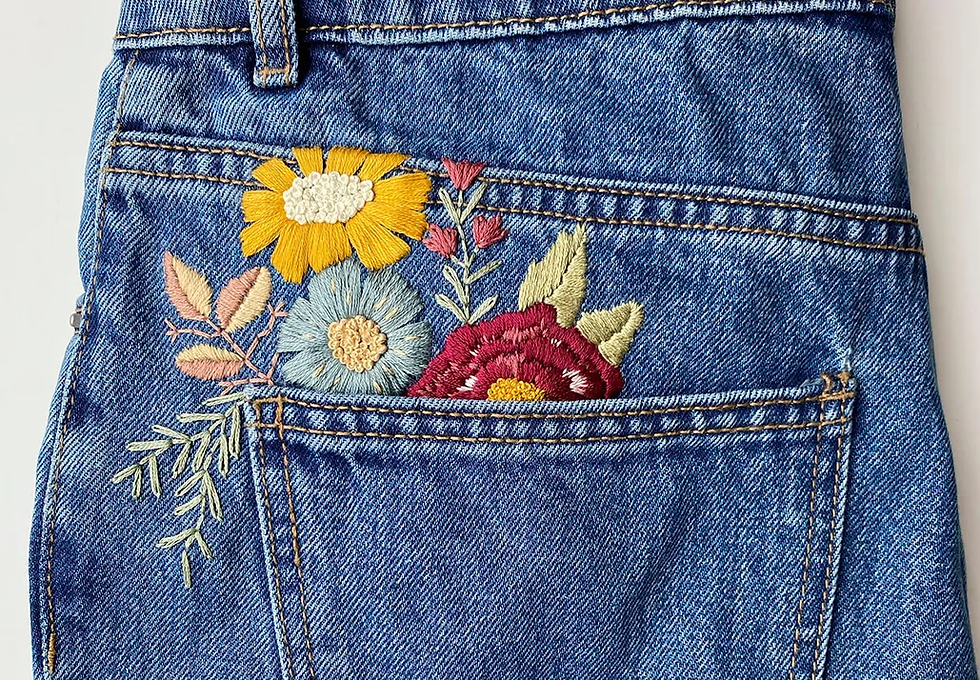
The fabric type is critical; delicate materials like silk or linen are prone to damage during thread removal. Heavier fabrics like denim withstand removal better but may still show puncture marks.
The density of stitching affects the process—high-density embroidery requires more careful work to avoid stretching or tearing. Age of the embroidery matters as well; older stitching can cause permanent impressions or holes when threads are pulled out.
Tools also influence success: precision embroidery cutters and magnification aid in clean removal, reducing fabric stress. Stitch 99 always recommends using proper tools for embroidery London removal to minimise risks.

Potential Risks When Removing Embroidery
The primary risk is fabric damage, such as holes, tearing, or thinning from repeated thread extraction. Colour bleeding or fabric distortion can occur if the thread dye interacts during removal, especially with wet cleaning.
Residual holes often remain, especially on fine fabrics, creating a visible outline. Removing embroidery may also weaken seam integrity if the stitching is close to structural seams.
Methods and Best Practices for Removing Embroidery
Removing embroidery requires care to avoid damaging the fabric. Different techniques and tools can make the process smoother while maintaining fabric quality. Stitch 99 specialises in embroidery London removal and recommends best practices for optimal results.
Manual Techniques for Embroidery Removal
The most common method is using a seam ripper to cut the embroidery threads carefully. Starting from the back of the fabric reduces visible damage on the front. It is essential to work slowly, cutting only the threads and not the fabric fibres.
Tweezers can help pull out loose threads after cutting. For dense embroidery, cutting threads in multiple spots reduces tension and makes thread removal easier. Stitch 99 suggests taking your time with embroidery London removal to preserve the fabric’s integrity.

Choosing the Right Tools and Materials
A sharp, pointed seam ripper is the primary tool for embroidery removal. Using a magnifying glass improves precision, especially on detailed work. Small, fine-pointed scissors may be necessary for tightly woven stitches.
Cotton swabs and a small brush can clean loose thread bits once the embroidery is removed. Using a soft fabric surface underneath the garment prevents accidental damage during the process. Proper lighting and a steady hand are critical for control. Stitch 99 recommends these tools and techniques for anyone looking to remove embroidery London stitching safely and effectively.
For more apparel-care insights, check out our detailed guide on custom hoodie embroidery.
Preserving Fabric Integrity
Fabric condition depends on the embroidery type and fabric weave. When working with embroidery London, it is important to avoid pulling threads harshly to prevent fabric distortion. Stitch 99 recommends gentle fibre manipulation with tools to ensure the fabric retains its original shape.
If thread residue remains after removing embroidery London designs, a careful steam or gentle wash may help relax fibres without affecting fabric colour or texture. For delicate fabrics, Stitch 99 suggests testing removal methods on a small, hidden area first to confirm no damage occurs. Embroidery London projects benefit from this careful approach, preserving both the beauty and longevity of the fabric.


Comments