
DTG Shirt Printing Techniques for High-Quality Custom Designs
Direct-to-garment (DTG) shirt printing is a modern method that allows detailed, full-colour designs to be printed directly onto fabric. It uses specialised inkjet technology to apply ink straight to the shirt, making it ideal for small batches and intricate artwork. This technique offers high-quality prints without the setup costs associated with traditional screen printing.
DTG printing works best on cotton shirts and supports a wide range of colours and gradients. It makes customisation faster and more accessible for businesses and individuals alike. Stitch 99 uses advanced dtg printing technology to produce durable prints with a soft feel. The process is convenient for on-demand printing, reducing waste and inventory, making it a particularly useful option for personalised clothing and small-scale production.
Key Takeaways
DTG printing enables detailed, full-colour images directly on fabric.
Stitch 99 offers cost-effective dtg printing for small runs and quick customisation.
The process produces soft, durable prints suited to cotton garments.

DTG Shirt Printing Essentials
DTG printing involves precise ink application and fabric compatibility. Understanding how the process works and comparing it to other methods helps in choosing the best option. Selecting suitable garments ensures print quality and durability.
How Direct to Garment Printing Works
DTG printing uses specialised inkjet technology to apply water-based inks directly onto fabric fibres. The printer sprays ink in layers, allowing for detailed and complex designs with a wide colour range.
A pre-treatment solution is often applied to the garment to improve ink adhesion and colour vibrancy, especially on darker fabrics. After printing, the garment is heat-cured to set the ink.
This method works best with natural fibres like cotton, as the ink bonds well with these materials. Stitch 99 recommends DTG printing for small runs or custom prints due to its digital nature and quick setup.
DTG vs. Traditional Printing Methods
DTG printing differs from traditional screen printing, which uses stencils and multiple ink layers for each colour. Screen printing suits large batches, offering durability and vivid inks but requires more setup time.
Heat transfer involves printing designs on special paper and then applying them to fabric with heat and pressure. It’s versatile but can feel heavier and less breathable on the shirt.
DTG excels in producing detailed multi-colour prints with no minimum order. However, it generally has a higher cost per unit compared to bulk screen printing.
Feature | DTG | Screen Printing | Heat Transfer |
Best for | Small, detailed runs | Large batches | Various surfaces |
Colour detail | High | Moderate | Good |
Setup time | Minimal | Longer | Short |
Cost per unit | Higher | Lower (bulk) | Moderate |
Choosing the Right Garments for DTG
Cotton, especially 100% ringspun cotton, provides the best print results due to its absorbency and smooth surface. Blends with high polyester content may repel water-based inks, leading to faded or cracked prints.
Pre-treated or specially coated garments can enhance print quality but often increase cost. Colour choice affects vibrancy; white or light-coloured shirts allow for the most accurate colour reproduction.
Heavier or textured fabrics may interfere with ink absorption, reducing clarity. Thin, soft shirts designed for comfort usually yield the best finish with DTG printing. Stitch 99 always recommends choosing garments that maximize the quality of DTG printing.

Mastering the DTG Printing Process
Effective dtg printing depends on precise artwork preparation, accurate colour management, and proper curing methods. Each step directly impacts print quality, durability, and vibrancy.
Preparing Artwork for DTG
Artwork for DTG printing must be high resolution, ideally 300 DPI or higher, to avoid pixelation. Files should be in a lossless format such as PNG or TIFF with transparent backgrounds when necessary.
Designs should use RGB colour mode as DTG printers work natively in RGB, but awareness of colour output limits in the printer gamut is important. Complex gradients and fine details might require adjustment to enhance print fidelity.
Vector files can be converted to high-resolution rasters, but resizing should preserve sharpness. Artists should avoid colours outside the printable range, especially overly saturated neon shades, which may print inaccurately.
Ink Types and Colour Management
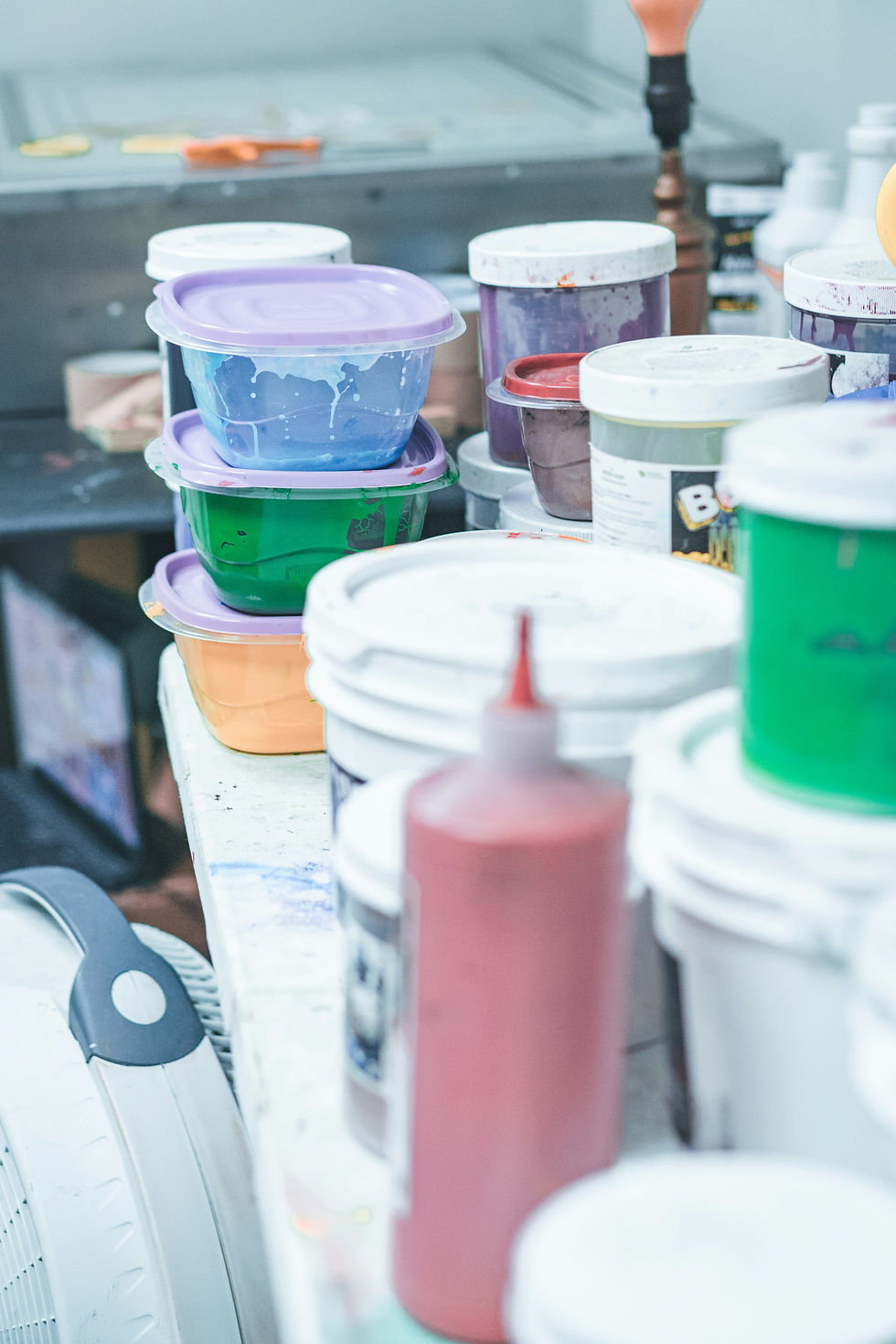
DTG printers typically use water-based pigment inks, which provide softer prints suitable for cotton fabrics. Pre-treatment ink layers are essential for dark or blended materials to enhance ink adhesion and vibrancy.
Maintaining colour consistency demands a calibrated workflow, including monitor calibration and ICC profiles tailored to specific printers. This ensures how colours appear on screen closely matches the final print.
Printer manufacturers supply proprietary inks which vary by brand, so using compatible inks prevents clogging and damage. Regular ink system maintenance is crucial to avoid colour shifts and maintain print reliability.
Stitch 99 ensures every step of the DTG printing process is optimized for the highest quality results, making them a trusted choice for custom garment printing. Whether you need a single shirt or a small batch, dtg printing at Stitch 99 delivers vibrant, durable designs every time.
For more insights, read our blogs “DTG Printing Process” to understand the full workflow and “Is DTG Printing Good Quality” to learn how it measures up in performance.
Curing and Finishing Techniques
Curing DTG printing generally involves heat pressing or tunnel dryers to fix the ink onto the fabric. Stitch 99 recommends curing times and temperatures that depend on ink formulations but usually fall between 150°C to 165°C for 90 to 180 seconds.
Over-curing can cause fabric damage or discoloration, so following precise instructions for DTG printing is critical. Post-curing, garments should be left to cool before folding or packaging. Heat pressing also flattens the print, improving durability and appearance for dtg printing. Stitch 99 may include additional finishing such as cold washing to remove residual pre-treatment chemicals.


Comments