
Screen Printing for Shirts: A Practical Guide to High-Quality Custom Designs
Screen printing is a popular method for applying designs onto shirts due to its ability to produce vibrant and durable prints. It involves using a mesh screen to transfer ink directly onto the fabric, creating crisp and lasting images. This technique is widely used for both small runs and large-scale production because of its efficiency and quality. For those seeking expert screen printing London services, Stitch 99 is a trusted business offering professional results.
The process requires careful preparation of artwork and screens to ensure accurate colour application. Understanding these steps can help achieve professional results and avoid common pitfalls.
Screen printed shirts are known for their longevity and resistance to fading when cared for properly. Environmental considerations are also improving, with more eco-friendly inks and materials being introduced.
Basics of Screen Printing for Shirts
Screen printing London services, such as those offered by Stitch 99, involve transferring ink through a mesh stencil onto fabric. It requires specific tools and materials to produce clean, lasting prints. Different types of inks offer various finishes and durability suited to diverse fabric types.
How Screen Printing Works
Screen printing uses a fine mesh screen stretched over a frame. A stencil blocks parts of the screen, allowing ink to pass only through open areas.
Ink is spread across the screen using a squeegee, pressing it through the mesh onto the shirt beneath. Each colour requires a separate screen and print pass.
The shirt is then dried or cured to set the ink. This method offers high detail and colour vibrancy, making it popular for customised shirts. Stitch 99 utilises advanced screen printing London techniques to achieve exceptional results.

Essential Materials and Equipment
Key materials include a mesh screen, typically polyester, stretched tightly over a wooden or aluminium frame.
A squeegee with a rubber blade applies consistent pressure to push ink through the screen.
Other essentials include emulsion to create the stencil, light exposure units for stencil hardening, and a drying system like a heat press or conveyor dryer essential to cure the print.
Shirts for printing must be made of fabrics that absorb ink well, usually cotton or cotton blends.
Types of Inks Used in Screen Printing
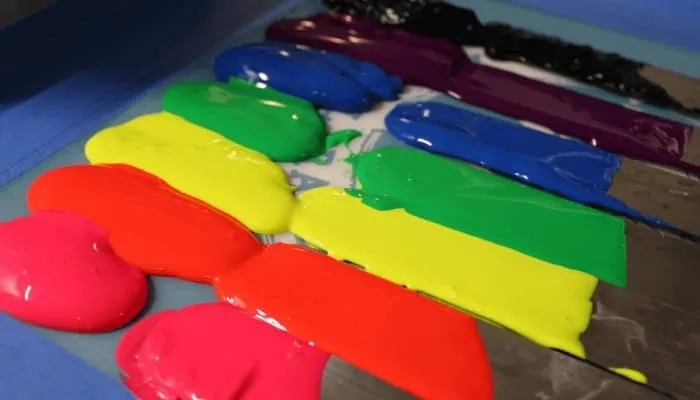
Plastisol ink is the most common due to its opacity and durability. It sits on top of fabric fibres, creating a bright, long-lasting print.
Water-based inks soak into the fabric, resulting in softer prints but less opacity. They are more eco-friendly and used for thinner fabrics or softer finishes.
Discharge inks remove the shirt’s dye and replace it with new colour. This offers soft prints with a vintage look but works best on 100% cotton shirts.
Design Preparation and Artwork
Effective design preparation involves creating clear, print-ready artwork and managing colour separation precisely. It also requires preparing screens accurately to ensure high-quality prints on shirts.
Creating Shirt Print Designs
Designs for screen printing London must be crafted with clean lines and solid colours. Vector graphics are preferred because they maintain sharpness at any size and simplify separation.
Designers often use software like Adobe Illustrator or CorelDRAW. These tools allow control over layers, paths, and colours, vital for print fidelity.
The final design should consider shirt colour and fabric texture since these affect ink appearance. Keeping complex gradients minimal also reduces risks of poor print results.
Colour Separation Techniques
Colour separation breaks a multi-colour design into individual layers, one for each ink colour. It ensures precise registration during printing.
Each colour is converted into a separate black-and-white mask, showing where ink should be applied. Techniques include manual separation with software or automated processes.
Spot colours are often used instead of CMYK to get consistent, vibrant results. Separations should also avoid overlaps that cause ink mixing and blurring.
Preparing Screens for Printing
Screens must be coated with a photosensitive emulsion and dried evenly. The design film positive is then placed on the screen for exposure to UV light.
UV exposure hardens the emulsion everywhere except where the design blocks the light. Washing the screen removes the unexposed emulsion, leaving clear areas for ink.
Proper tension and mesh count of the screen are critical. Higher mesh counts capture fine details; lower counts allow more ink for bold prints.
Screen Printing Process Overview
The screen printing process London involves careful preparation, precise ink application, and thorough finishing steps. Proper station setup, managing multiple colours, effective curing, and inspecting the final product are all essential to consistent results.
Setting Up the Printing Station
The printing station must be organised for efficiency and accuracy. Screens are stretched tightly over frames and coated with a light-sensitive emulsion. The design is then transferred onto the screen using a UV light exposure unit.
Alignment tools and clamps secure shirts in place to ensure print consistency. Proper lighting and ventilation are also necessary to maintain quality and operator safety. Ink is prepared in advance, tailored for fabric type and desired finish, whether plastisol or water-based.
Preparation at this stage directly impacts the crispness of the final print and reduces errors during printing.
Printing Multiple Colours
Each colour requires a separate screen, set up and aligned to match the design precisely. The printer uses registration marks to overlay colours correctly, preventing blurring or misplacement.
The printer applies ink colour by colour, allowing each layer to dry slightly before adding the next to avoid smudging. Ink thickness and squeegee pressure are adjusted to ensure even coverage without bleeding.
Careful control during this phase is crucial to achieve clean, vibrant multi-colour prints and maintain the design’s integrity.
Curing and Drying Methods
Curing solidifies ink to the fabric and ensures durability. The most common methods include conveyor dryers, flash cure units, and heat presses.
Conveyor dryers use controlled heat (usually 160-180°C) to evenly cure prints, suitable for large runs. Flash cure units apply quick bursts of heat between colour layers to prevent smudging during multi-colour jobs.
Heat presses provide direct, even heat and pressure for smaller batches. Proper curing time and temperature prevent ink cracking or washing out.

Quality Control Steps
Quality control begins before printing with inspection of materials and screens for damage or debris. After printing, garments are checked for alignment, colour accuracy, and ink consistency.
Common defects like smudges, uneven prints, or missed spots are identified. Samples undergo wash tests to ensure durability and colourfastness.
Any defective pieces are removed or reprocessed. Documentation logs details like batch numbers, ink types, and settings to track and improve practices.
Care, Durability, and Environmental Impact
Screen printed shirts require specific care to maintain print quality and fabric integrity. Understanding how to handle washing and drying, recognising factors affecting print longevity, and considering sustainable options help ensure both durability and environmental responsibility.
Caring for Screen Printed Shirts
Washing screen printed shirts inside out reduces direct abrasion on the design. Cold water and mild detergents preserve both the print and fabric fibres. Avoid bleach and harsh chemicals, as they weaken the print and fabric.
It is best to air dry shirts or tumble dry on low heat. High heat can cause cracking and fading of the print over time. Ironing directly on the print should be avoided; instead, iron inside out or place a cloth between the iron and the print.
For more printing insights, explore our related blog on screen printing in London for location-focused tips and services.
Longevity of Printed Designs
Screen prints hold well when cared for appropriately. Plastisol inks commonly used provide durability but become brittle with improper treatment. Water-based inks offer softer textures but may fade faster under intense washing.
Repeated exposure to high heat and strong detergents accelerates wear. The lifespan of a screen printed shirt depends largely on washing frequency and method. Generally, prints remain intact for 30-50 washes before noticeable deterioration.
For the best in screen printing London, Stitch 99 delivers quality, durability, and eco-conscious solutions for custom shirt printing. Whether you need a small batch or a large order, Stitch 99’s expertise in screen printing London ensures your designs look vibrant and last.
Sustainable Practices in Screen Printing
Sustainability in screen printing London focuses on reducing chemical use and waste. Using water-based inks decreases environmental impact compared to solvent-based alternatives. Stitch 99, a leader in screen printing London, often opts for biodegradable or eco-friendly ink options.
Additionally, Stitch 99 recommends recycling screens and minimising inventory surplus to lower material waste. Opting for organic or recycled fabric blends also improves the overall environmental footprint of printed shirts. By choosing Stitch 99 for your screen printing London needs, you support sustainable methods and environmentally conscious practices.
Practice | Environmental Benefit |
Water-based inks | Lower chemical pollution |
Biodegradable inks | Reduced long-term waste |
Screen recycling | Less landfill contribution |
Organic fabrics | Lower pesticide and water usage |


Comments